
Design Better Health Solutions
A 6-week training-and-mentoring journey for health leaders who want practical tools to prepare their teams, guide innovation, and design better health solutions.
Bring a real challenge from your organisation. Explore methods from human-centred design, systems innovation, design sprints, and responsible AI. With peers and mentors, you translate them into a context-specific innovation action plan.
Applications close
Thursday, September 24 2026Next cohort starts
Thursday, October 1 2026
Not a conventional training
A guided preparation process for turning innovation ambition into a realistic plan for action.
- Health services & products
- Health systems & programmes
- Community engagement & behaviour change
Does any of this sound familiar?
Your organisation knows innovation is needed, but nobody agrees on how to start.
Your organisation has designed programmes for communities who are not fully understood.
Research generates data, but not the insights that drive real decisions.
Promising ideas remain at pilot stage because ownership and scale were never planned from the start.
Your work cuts across services and systems, but engaging the right stakeholders remains a challenge.
You feel AI could be relevant and supportive, but you don’t know yet how to use it responsibly for innovating in the health space.
If you recognise even one of these, the next six weeks were designed for you. Every method in the programme exists to solve one of them.
Six weeks from now, you have a clear, practical plan for your health programme, whether you are designing something new or improving what already runs:
- Clear innovation process
- Clear role for your team(s)
- Clear view which stakeholders to engage
- Practical research guides
- Design sprint facilitation guide
- AI support tools in place
This 6-week journey was built for exactly this.
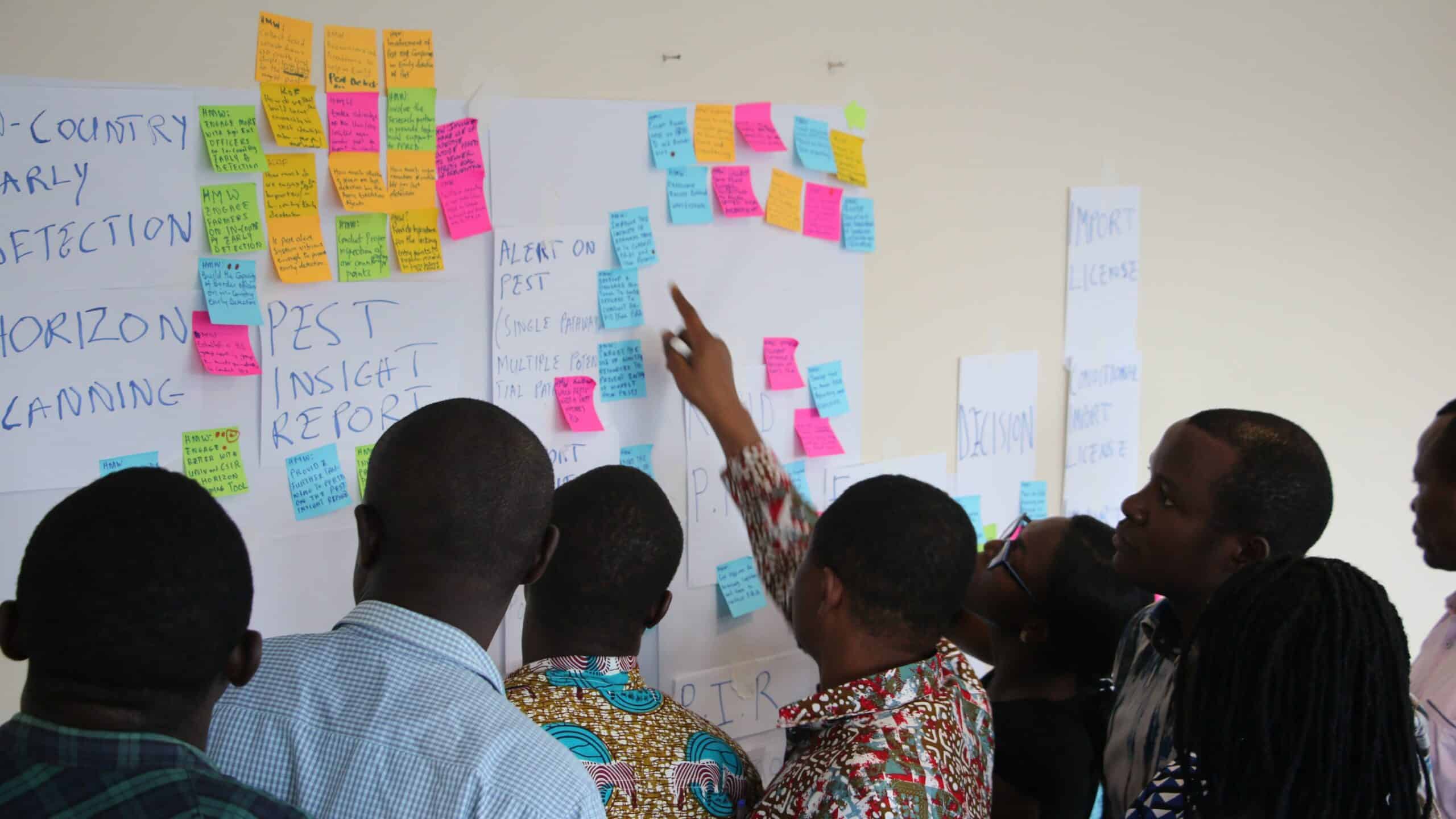
This 6-week journey is for you if…
- You work to improve health service demand, uptake, trust, or community engagement.
- You lead or influence health programme design, innovation, learning, or implementation.
- You know your organisation needs to innovate, but need a clearer process.
- You want to introduce more human-centred, adaptive, collaborative ways of working.
- You need to prepare before launching a discovery, sprint, or innovation project.
- You want to understand how AI can support innovation without weakening ethics or lived experience.
- You want an HCD credential that demonstrates real work, not just online course completion.
This is not for you if…
- You’re looking for an introductory online course only.
- You don’t yet have an organisational context where these methods could apply.
- You expect a ready-made solution rather than a guided planning process.
- You can’t participate actively in mentoring, peer exchange, and practical tasks.
This may include:
Programme directors & managersInnovation & design leadsTechnical advisors: health, gender, CHW, behaviour changeMEL, learning & adaptation leadsSenior staff in NGOs, INGOs, social enterprises & donor-funded partnershipsEmerging innovation & programme leaders
Not just for NGOs. The Academy is built for NGO, private sector, and government actors working on health systems alike. Health challenges cut across sectors, so a mixed cohort is deliberate: you test your plans against how the same problem looks from government, business, and civil society — and build the cross-sector relationships implementation depends on.
Week by week, you build a custom innovation action plan
Each week ends with a concrete planning output. Expand any week to see the full breakdown.
Time commitment: two live sessions per week — the main cohort session plus your mentor peer-group session, about 90 minutes each — alongside self-study and homework. Expect roughly 6–8 hours per week in total, designed to fit around your regular work.
Output: A draft challenge brief
Objective
Clarify the health challenge you want to work on: why it matters, who is affected, and whether it suits a human-centred approach.
Lesson topics
- Human-centred design & design thinking
- Systems innovation
- Responsible AI as a support layer
- Challenge framing & assumption mapping
- Defining the scope of a design process
Tooling
- Challenge framing template
- Assumption mapping tool
- Stakeholder starter map
- AI-supported framing prompts
Homework
Practice: Practice the challenge framing tool on a health topic unrelated to your own project.
Apply to your context: Draft and refine a first challenge statement for your organisation.
Live session & mentoring
Cases on moving from broad problems to focused challenges. Mentors review first challenge statements via comments or a short call.
Output: A discovery & research plan
Objective
Prepare a realistic discovery approach to understand the experiences, behaviours, barriers, and contexts of the people affected by your challenge.
Lesson topics
- Design research & empathy
- Research ethics & consent
- Power dynamics & access barriers
- Research & learning questions
- Light-touch fieldwork planning
Tooling
- Research planning canvas
- Interview & observation guide
- Consent & ethics checklist
- AI-supported question generator
Homework
Practice: Practice one of the research techniques on a colleague or friend.
Apply to your context: Prepare research questions and a light discovery plan.
Live session & mentoring
Cases on design research and ethical engagement. Mentors help clarify what to learn, who to engage, and what’s realistic in your context.
Output: A stakeholder & system map
Objective
Identify the people, organisations, relationships, incentives, and system conditions that shape your challenge and its possible solutions.
Lesson topics
- Systems thinking
- Stakeholder & ecosystem mapping
- Incentives, relationships & constraints
- Partner & stakeholder engagement
Tooling
- Stakeholder & ecosystem map
- Influence–interest matrix
- Partner engagement canvas
- AI-supported system mapping prompts
Homework
Practice: Practice the stakeholder or ecosystem mapping tool on a health topic outside your own project.
Apply to your context: Map the actors, relationships, incentives, and enabling conditions around your challenge.
Live session & mentoring
Cases on systems thinking and working across health ecosystems. Mentors help identify who needs to be involved and where alignment is needed.
Output: A design sprint facilitation plan
Objective
Prepare a design sprint that helps your team move from research and system understanding to opportunity areas, ideas, concepts, and early storyboards.
Lesson topics
- Design sprint structure
- Digesting research insights
- HMW framing & mapping
- Ideation, voting & selection
- Storyboarding & facilitation basics
Tooling
- Sprint agenda & prep checklist
- HMW builder & mapping tool
- Concept development canvas
- Storyboarding template
- AI-supported sprint planning prompts
Homework
Practice: Practice one of the sprint facilitation exercises with a colleague.
Apply to your context: Draft a sprint plan: purpose, participants, agenda, HMW framing, and expected outputs.
Live session & mentoring
Cases on facilitating sprints with diverse teams. Mentors help make the sprint realistic for your team, timeline, and context.
Output: A prototyping & testing plan
Objective
Prepare your team to turn selected concepts into simple prototypes and plan how to test them with users, stakeholders, or implementation partners.
Lesson topics
- Prototype formats & fidelity
- Role play, simulation, concept cards
- Assumption testing & test planning
- Feedback interviews & observation
- Ethics, consent & interpreting feedback
Tooling
- Prototype planning canvas
- Assumption test matrix
- Prototype test plan template
- Feedback & observation guide
- AI-supported prototyping prompts
Homework
Practice: Practice one of the prototyping or testing techniques.
Apply to your context: Prepare a prototyping and testing approach for one or more solution directions.
Live session & mentoring
Cases on moving from ideas to low-fidelity prototypes and ethical tests. Mentors help clarify what to prototype and who to test with.
Output: A custom innovation action plan for your organisation
Objective
Bring the previous outputs together into a realistic innovation action plan that considers ownership, organisational fit, risks, roles, sustainability, and next decisions.
Lesson topics
- Adoption & ownership
- Sustainability & scale
- Implementation risks & organisational fit
- Roles, responsibilities & decision points
- Learning loops & internal buy-in
Tooling
- Implementation roadmap template
- Risk & readiness checklist
- Roles & responsibilities canvas
- Decision-point planner
- AI-supported roadmap & risk prompts
Homework
Practice: Practice the risk and readiness checklist on a health innovation outside your own project.
Apply to your context: Compile and refine your custom innovation action plan.
Live session & mentoring
Cases on adoption, sustainability, and scale. Mentors review final plans for clarity, feasibility, risks, and next steps.
A custom innovation action plan, built around a real challenge in your organisation
You do not just leave with knowledge and a certificate. You leave with a plan your organisation can fund, staff, and start.
Your custom innovation action plan
Not a generic template. A practical, context-specific plan shaped by your challenge, your team, your stakeholders, and the organisational reality you work in.
Your plan includes:
A focused challenge brief
A team, partner and stakeholder map
A discovery and stakeholder engagement plan
Research and learning questions
A design sprint and co-creation outline
A prototype and testing approach
A responsible AI support plan
An implementation roadmap with roles, risks and next decisions
Proportion Global Academy Certificate in HCD Leadership for Health
Awarded to participants who complete all six weeks and submit their innovation action plan. This certificate recognises demonstrated practice, not just attendance. It is issued by Proportion Global, a practitioner organisation with 17 years in the field and 250+ HCD experts across 62 countries. Not academically accredited. Recognised by the people doing this work.
Cohort members are not expected to implement in sync. Real implementation depends on each person’s project timeline, team readiness, and organisational conditions. The goal is to prepare well, so you’re ready when the right moment arrives.
A circle of peers around you, every week
A small circle of peers. You are matched with participants facing challenges like yours, and you share your homework and progress with them every week.
Guided by a mentor. An experienced HCD practitioner reviews your worksheets, comments as you go, and joins a live call when you need one.
Support that lasts. Places are limited to keep every circle focused and well supported, and the peer network you build stays with you beyond the six weeks.
From innovation ambition to readiness for action
Before the 6-week journey
- Your organisation needs to innovate, but the process is unclear.
- Your challenge is broad or loosely defined.
- It’s unclear who needs to be involved or how to engage them meaningfully.
- You’ve heard about HCD, design thinking, and AI, but aren’t sure how to apply any of them.
- AI feels promising, but you’re unsure how to use it ethically and well.
After the 6-week journey
- A focused challenge brief.
- A clear map of team members, partners, and stakeholders to involve.
- A discovery and stakeholder engagement plan.
- A design sprint and prototype testing plan.
- Confidence to use AI responsibly, without replacing ethics or lived experience.
- A practical innovation action plan that fits your organisational reality.
Learn methods to prepare yourself and your team to innovate
You don’t need to arrive as an expert. The 6-week journey introduces these approaches in practical language and helps you apply them to your own challenge.
Human-centred design
Grounded in design thinking, behavioural science, and Social and Behavior Change (SBC), human-centred design helps teams understand people’s needs, behaviours, motivations, and barriers before designing solutions.
Systems thinking
Understand the actors, relationships, incentives, and conditions that shape whether change can take hold.
Design sprint
Learn to plan and facilitate design sprints that move teams from insights to ideas, prototypes, and practical tests. Fast.
Ethical use of AI
Support research, synthesis, ideation, and planning, while human judgement, ethics, and lived experience stay central.
Ready to build your innovation action plan?
Places are limited to keep Mentoring Circles focused, practical, and well-supported.
How a typical week flows
Each week moves from content to reflection, reflection to discussion, and discussion to a concrete planning output.
In total: two live sessions (about 90 minutes each) plus self-study and homework — roughly 6–8 hours per week.
Self-paced video lessons and resources
Practical homework applied to your organisation
Questions posted on the platform before the live session
A Live Learning Session: cases, discussion and Q&A
Sharing homework in your circle with peers and mentor
Mentor guidance via worksheet comments and messaging, with a live call when needed
Ethical use of AI
Ethical AI across every phase
AI is a practical support layer, not a separate module. Use it to sharpen challenge statements, prepare research questions, organise insights, generate sprint prompts, and structure innovation action plans.
Human judgement, ethics, consent, and lived experience remain central. AI supports better thinking. It doesn’t replace listening or decision-making.
Learn with peers who bring real experience
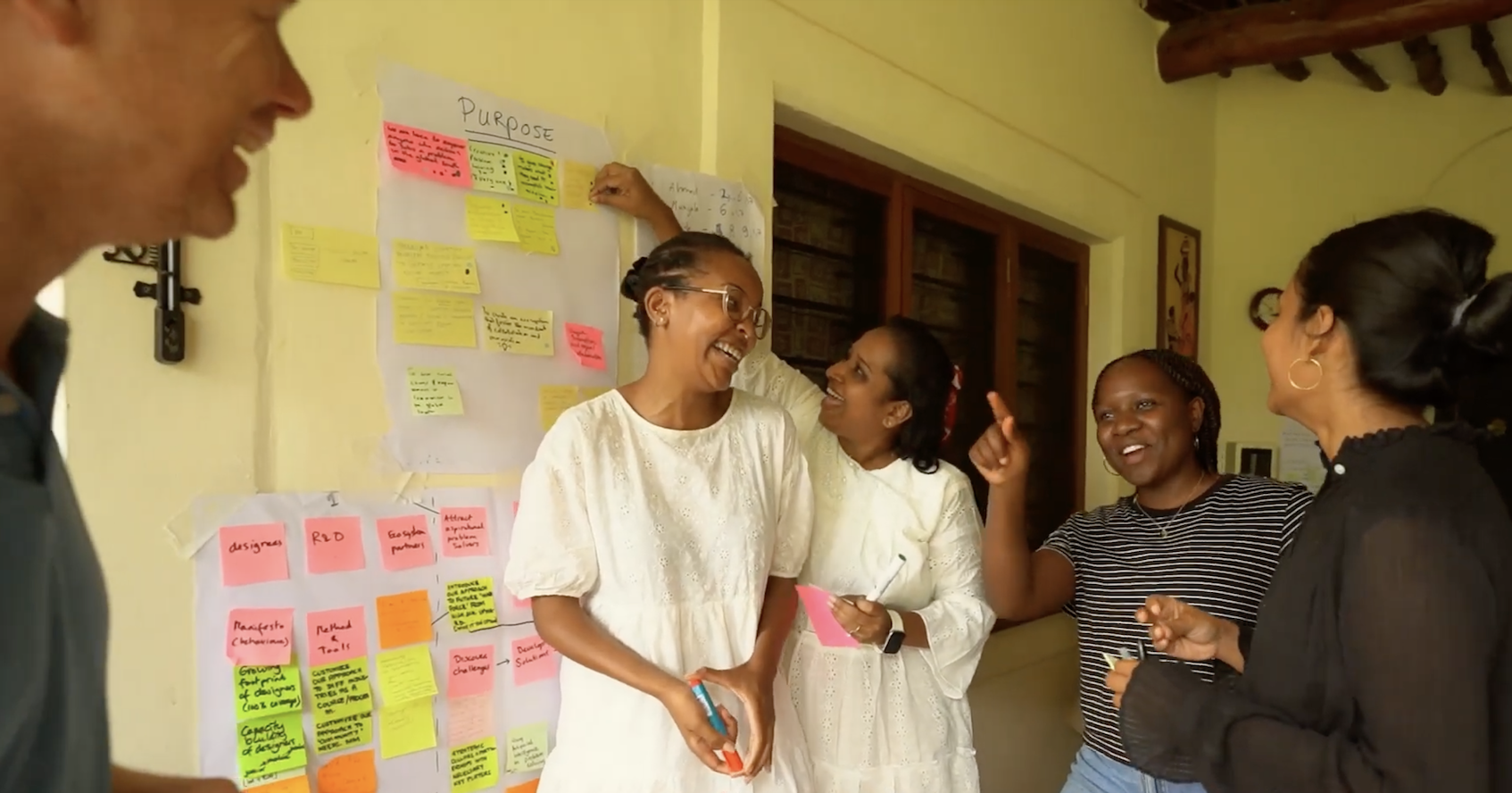
Cohort members bring real organisational challenges, field experience, and perspectives shaped by their own sector, country, and context.
Peer learning runs through live discussions, Human + AI Practice, Mentoring Circles, and final sharing moments. The cohort itself is part of the value.
The world’s most decentralised Innovation & Design agency
Innovation experts in 62 countries across Africa, Latin America, the Middle East, and South Asia, with practical experience from real health and social impact work.
countries
continents
week journey
We bring practical experience, including:
Case studies from four continents
Real health-related work, not theory or borrowed examples.
Field-tested tools
Design research, systems thinking, design sprints, co-creation, and innovation action planning.
Co-creation guidance
Working with communities, partners, and stakeholders across health ecosystems.
Mentoring support
Adapt methods to your own challenge, team, timeline, and organisational context.
Built for how health programmes actually work
Taught through real health cases. From immunisation uptake in Ethiopia to integrated GBV and SRH services in South Sudan, the methods are learned on real programmes.
Fits your stakeholder reality. Ministries and districts, facilities, community health workers, NGOs and donors, and the approval chains between them.
Respects the sector’s norms. Built around the evidence standards, ethics, and procedures health programmes are held to.
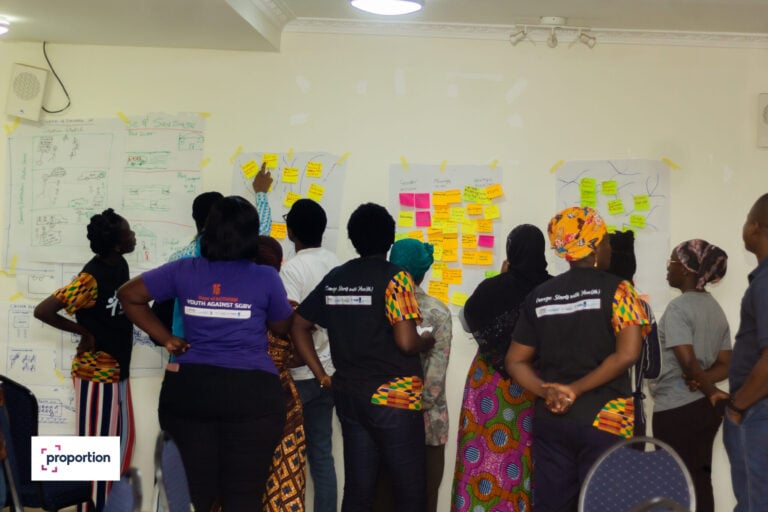
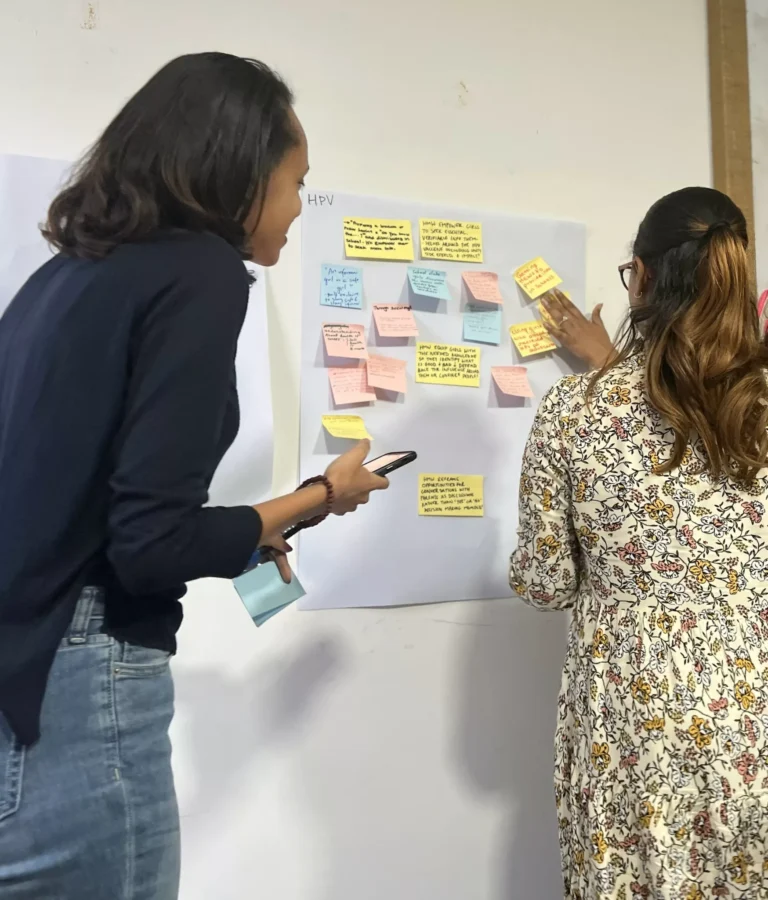
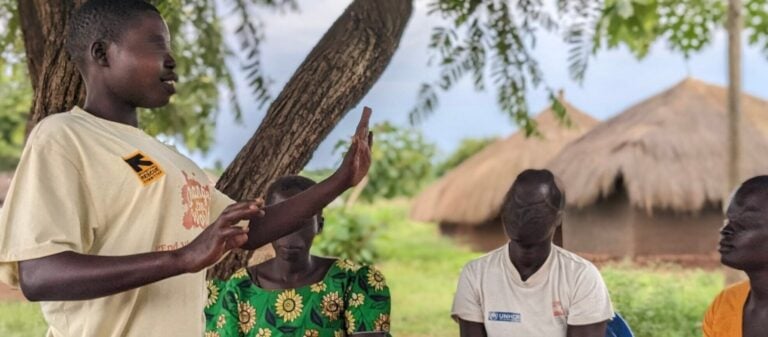
Built on practical experience across health & social impact
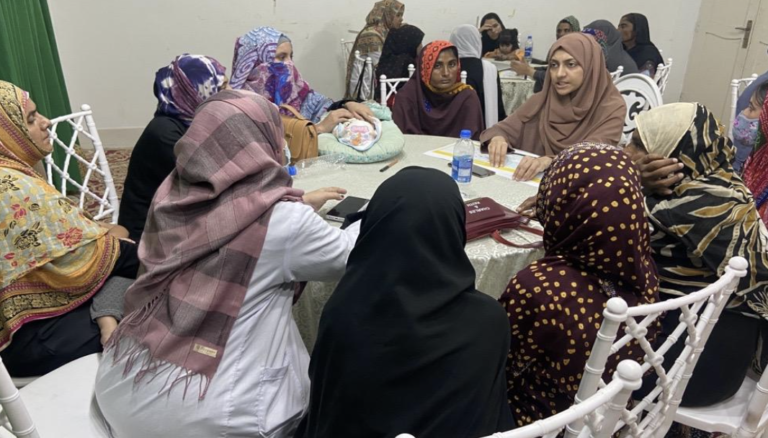
You've seen the value. Here's the fair price.
Calculate your price
Your plan includes:
Where is your organisation registered?
Who do you work for?
Meet your trainers and mentors
Practitioners with field experience in health, community research, service design, systems innovation, behaviour change, and responsible AI. They connect methods to the realities of leadership and organisational change.
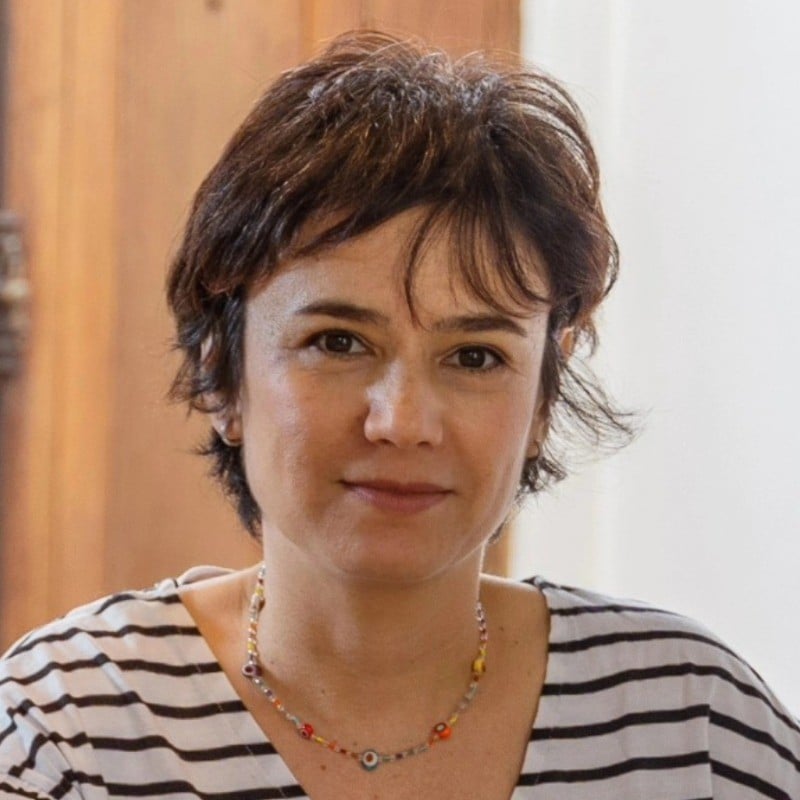
Mónica Arbeláez
Facilitator · Week 1
Argentina
Partner at a leading Latin American HCD consultancy with over 15 years across healthcare, public services, and agribusiness. Combines participatory design with behavioural science.
Focus: Behavioural design · Participatory design

Oumayma Anizi
Facilitator · Week 1
Tunisia
Tunis-based educator and innovation facilitator who teaches human-centred design in universities and startup programmes across MENA. Trained in IDEO and IBM frameworks, she specialises in helping teams articulate the right challenge before they reach for solutions.
Focus: Challenge framing · HCD pedagogy · Entrepreneurship

Tesse Benjamin
Facilitator · Week 1
Kenya
Nairobi-based monitoring and evaluation specialist who brings evidence rigour to the front end of design. Reframed a UNDP youth programme in West Africa from a skills deficit problem to a market access problem, unlocking solutions that actually held.
Focus: Problem reframing · Evidence-based design · Development programming
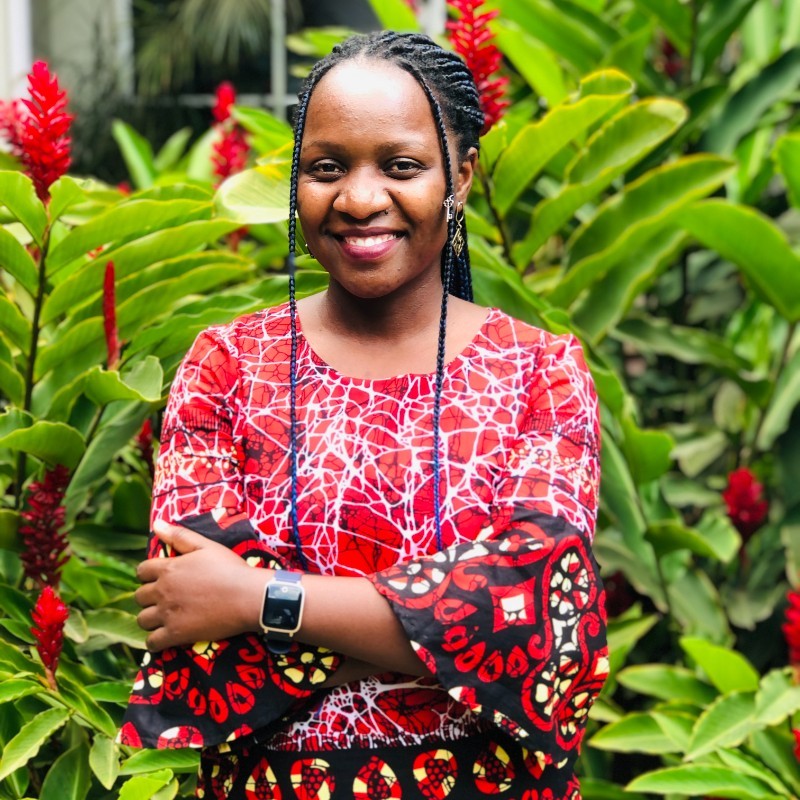
Noel Aryanyijuka
Facilitator · Week 2
Uganda
Uganda-based designer trained by CcHUB who began her practice co-designing menstrual health solutions with rural communities. Applies HCD to health systems with a focus on solutions built to last.
Focus: Community co-creation · Health systems

Oumar Ba
Facilitator · Week 2
Senegal
Dakar-based practitioner with seven to ten years of HCD experience across health, agriculture, and humanitarian contexts in West Africa. His vaccination research in Burundi reframed the challenge from lack of information to lack of trust — uncovering that religious leaders, teachers, and family elders held more influence than health professionals — and redesigned around community-led dialogue and trusted messengers.
Focus: Community research · Participatory design · SB

Faiza Khan
Facilitator · Week 2
Pakistan
Karachi-based researcher, educator, and practitioner who trained C-suite executives at Pakistan’s largest energy utility in human-centred methods. Her behaviour change work in community housing showed that lasting adoption comes from design that earns trust, not from incentives alone.
Focus: SBC · Embedding HCD in organisations
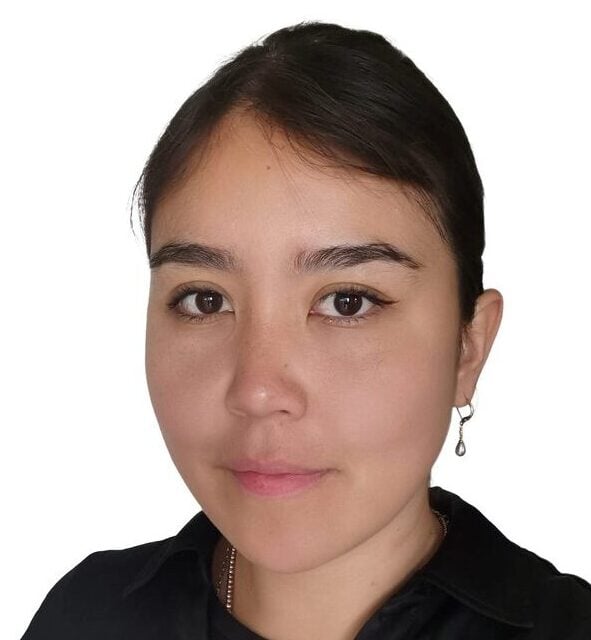
Ana Vasquez
Facilitator · Week 2
Mexico
Querétaro-based strategic designer with seven years in social innovation consulting. Known for mapping the invisible: the actors, relationships, and misalignments that determine whether well-designed programmes actually land. Led collective impact advocacy planning across civil society and government in Mexico.
Focus: Stakeholder mapping · Systems thinking · Collective impac

Keneilwe Munyai
Facilitator · Week 1 & 3
South Africa
PhD-level designer on a mission to democratise design tools and processes across Africa. Brings rigorous academic depth and field experience applying HCD to complex social and public-sector challenges.
Focus: Design research · Problem framing

Munyala Mwalo
Facilitator · Week 1 & 3
Kenya
Nairobi-based systems designer who uses design as a decision-intelligence engine across public services, AI, and community systems. Works to make impact inevitable rather than accidental.
Focus: Systems thinking · AI-augmented design

Ahmed Saalim
Facilitator · Week 4
Ghana
Tamale based practitioner with seven to ten years of applied HCD across youth livelihoods, digital platforms, and INGO capacity building. Brings high-energy facilitation rooted in practice, with a track record of coaching NGO teams through live challenges at GAIN and Proportion Global’s Power to Youth programme.
Focus: Design sprint facilitation · HCD coaching · Youth livelihoods

Sarah Mpapuluu
Facilitator · Week 6
Kenya
Nairobi-based researcher and facilitator with field experience across Kenya, Uganda, Ethiopia, Nigeria, and Zambia. Applied HCD in HIV prevention campaigns and community co-design across multiple sectors.
Focus: Community research · Co-design · Behaviour change

Judit Kun
Facilitator · Week 4
Hungary
Budapest-based experience designer who spent fifteen years in advertising before realising that communication-level solutions couldn’t fix broken products and services. Her mobile device recycling project for a major Hungarian telco proved the point: the real barrier wasn’t emotional attachment to old phones but a faulty mental model, which she redesigned using behavioural nudges to shift thinking at the root.
Focus: Behaviour change · Workshop facilitation · Design research
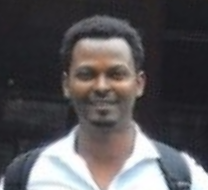
Adugna Endale
Facilitator · Week 2
Ethiopia
Pioneered HCD for immunisation within the Ethiopian Ministry of Health and led the first national training-of-trainers. Has since scaled the approach across nutrition, WASH, and maternal and child health.
Focus: Health systems strengthening · HCD capacity building
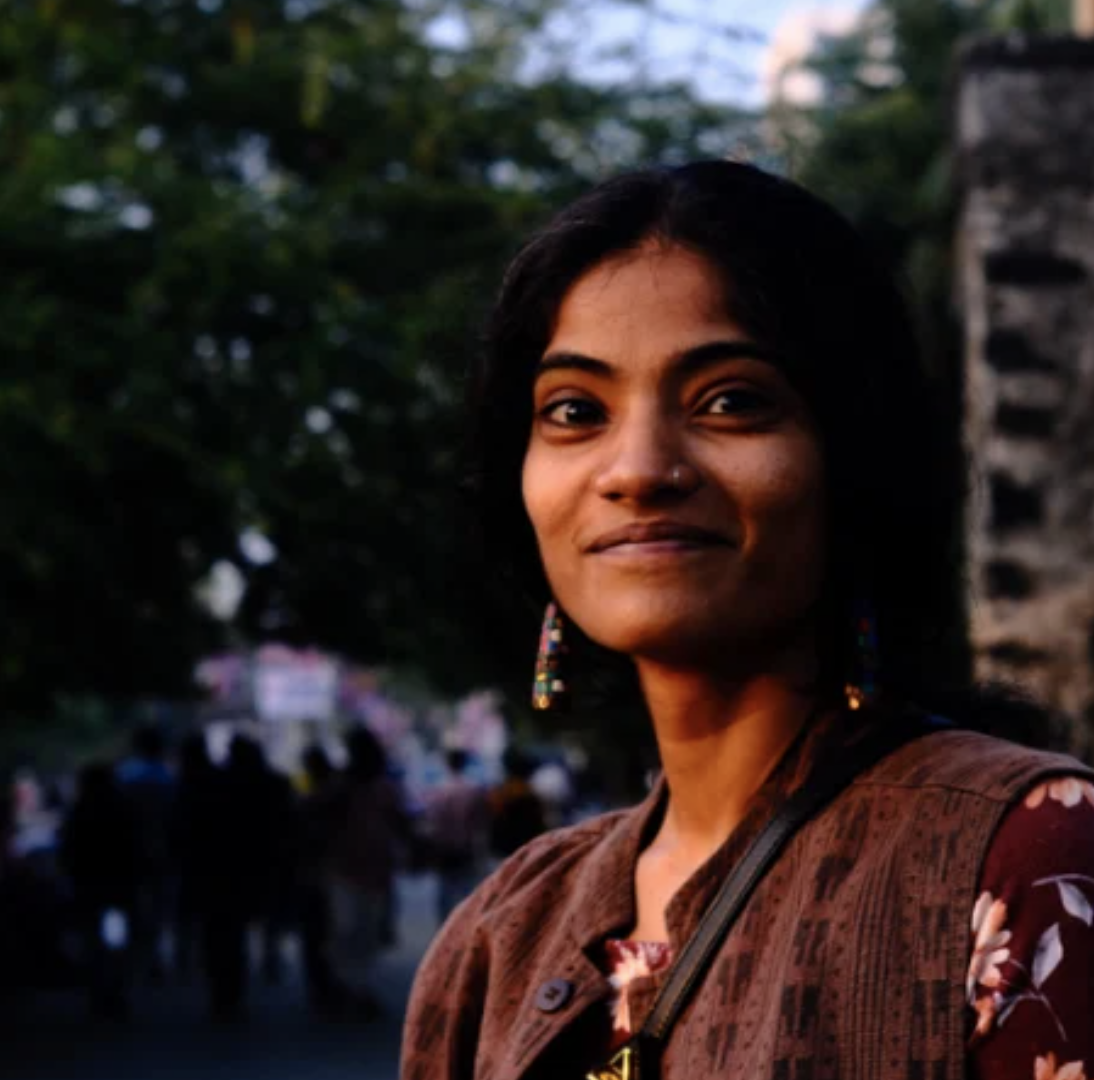
Ananyaa Menon
Facilitator · Week 5
India
Goa-based interaction designer who built health chatbots for Girl Effect India and co-founded Cooop, a community mutual-aid platform. Specialises in conversational UX and accessibility-first digital health design.
Focus: Conversational UX · Digital health · Responsible AI
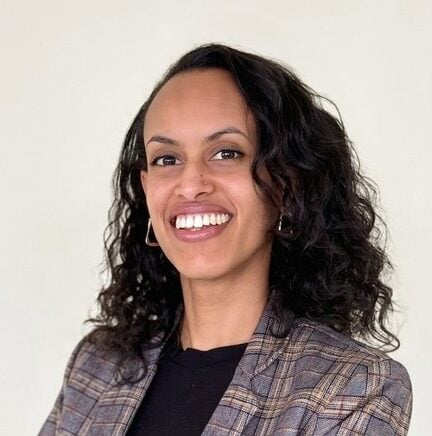
Emnet Woubishet Teklu
Facilitator · Week 5
Ethiopia
Addis-based designer with a background in architecture and management consulting who has led HCD end-to-end for PSI, GAIN, and international INGOs across East Africa. Her economic empowerment work with rural married adolescent girls in Ethiopia — co-developed with IDEO.org and BRAC — produced Smart Steps, a programme that secured additional funding after live prototype testing with girls, husbands, and community leaders.
Focus: rototyping · Facilitation · Health and livelihoods design

Emas Potolani
Facilitator · Week 4
Malawi
Malawi-based practitioner who has applied HCD across education, health, and disaster response in resource-constrained settings. Committed to solutions that are practical, affordable, and built to outlast the project.
Focus: Community-led design · HCD capacity building

Sue Wairimu
Facilitator · Week 5
Kenya
Nairobi-based innovation designer shaped by a million-dollar health innovation programme at the University of Nairobi. Grounds product and service development in the real working conditions of health workers and communities.
Focus: Health innovation · Inclusive product design

Nithima Ducrocq
Facilitator · Week 6
Thailand
Bangkok-based strategist who bridges private-sector product rigour with development complexity. Leads multi-country research and service design in health, education, and disaster response across Southeast Asia.
Focus: Service design · Research synthesis · Ethical HCD

Munyaradzi Chinguwa
Facilitator · Week 6
Zimbabwe
Harare-based researcher and designer with seven years of applied HCD across public health, nutrition, and humanitarian contexts in Southern and East Africa. Led the conceptualisation of the Gates Foundation Data and Insights Platform — a searchable repository of qualitative health insights for the global AYSRH ecosystem — and has trained researchers and junior designers across his career at JSI and Proportion Global.
Focus: Design research · Synthesis · HCD capacity building
Build your confidence to design better health solutions
Explore human-centred design, systems innovation, design sprints, and responsible AI, while preparing a custom innovation action plan for a real challenge in your organisation.
Key dates for the next cohort
Frequently asked
Senior and emerging leaders in health services, systems, products, or programmes: programme leaders, innovation leads, technical advisors, and MEL or learning leads responsible for how health work is designed, delivered, or scaled.
Not in the conventional sense. It’s a 6-week training-and-mentoring journey. Each phase combines a Live Learning Session, Human + AI Practice, a Mentoring Circle, and an Innovation Action Planning Task, so you learn the methods and immediately apply them to your own context.
No. The 6-week journey introduces the core ideas in practical language. The most important requirement is that you bring a real organisational challenge and a willingness to explore more human-centred ways of working.
A real health-related challenge from your work. It doesn’t need to be fully defined. The 6-week journey helps you sharpen it. Good challenges relate to improving services, engaging communities, designing for adoption, or making health work more responsive to people’s realities.
Not necessarily. You won’t be expected to implement in sync with the cohort. Real implementation depends on your project timeline, team readiness, and organisational conditions. The 6-week journey helps you prepare a custom plan, so you’re ready when the right moment arrives.
Small-group sessions where cohort members reflect on their homework, share peer experiences, receive mentor feedback, and adapt the method to their own organisational context.
As a practical support layer, not the main focus. Cohort members explore how AI can support research preparation, synthesis, ideation, testing, and innovation action planning, while human judgement, ethics, and lived experience remain central.
Health challenges are shaped by different realities across communities, cultures, genders, economies, and policy environments. Approaches that work in one setting may fail in another if copied without adaptation. This 6-week journey helps leaders design more context-responsive solutions.
Yes, especially useful if your organisation wants to prepare a team. Members from the same organisation can work on the same or related challenges.
Complete the enrolment form on this page. We’ll then share cohort dates, payment options, and onboarding details.